A simple Guide to Gemstones
Gemstone Basics:
4 Terms Every Buyer Should Know
When you're shopping for a gemstone, a few simple properties tell you almost everything about how it looks, wears, and lasts.
Here's a quick rundown of the four most important ones.
Colour
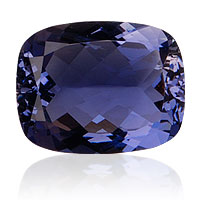
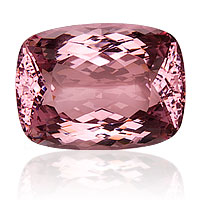
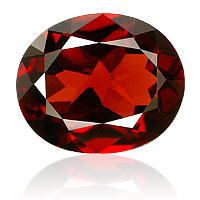
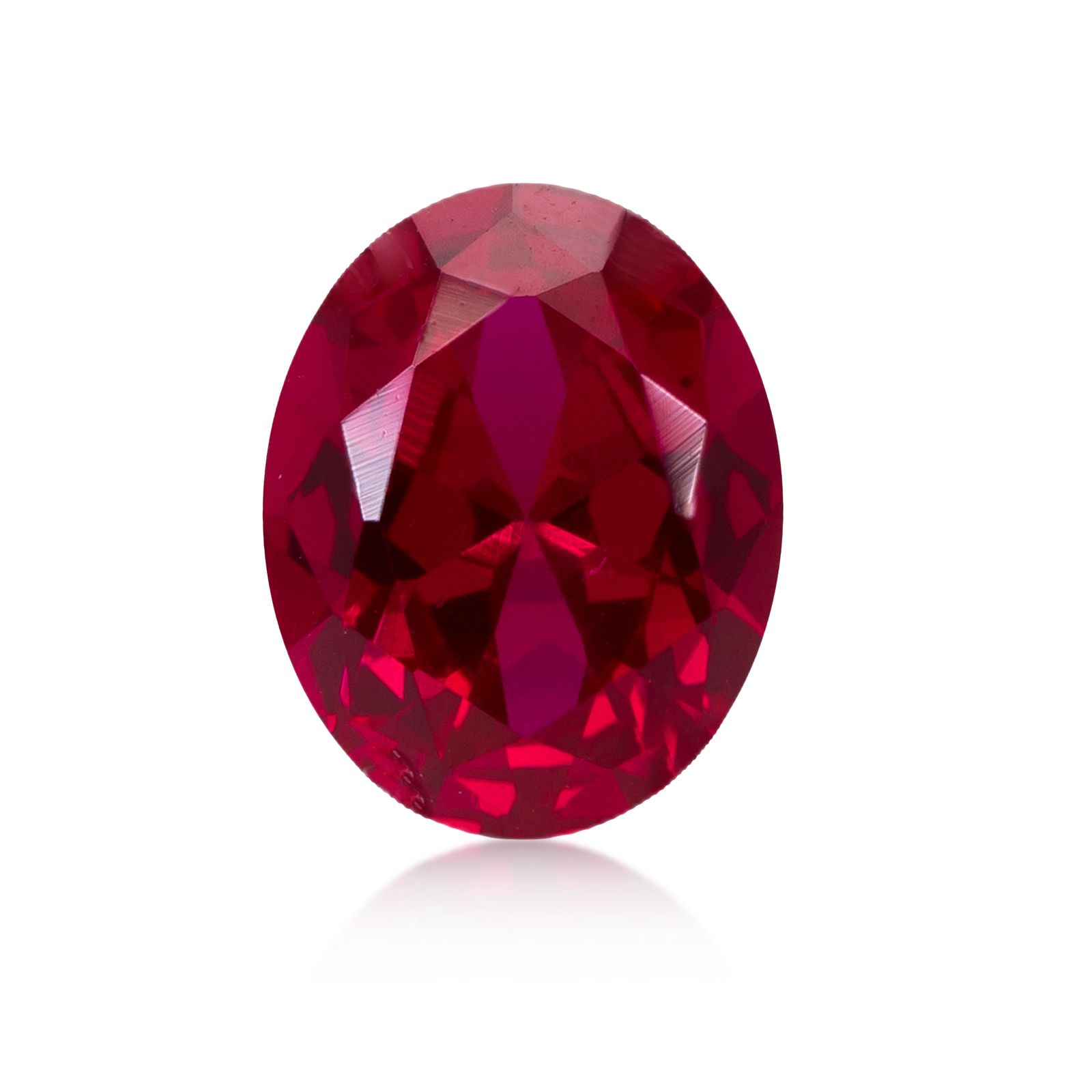
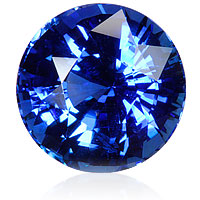
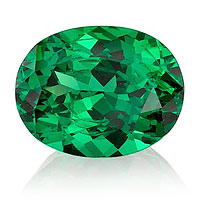
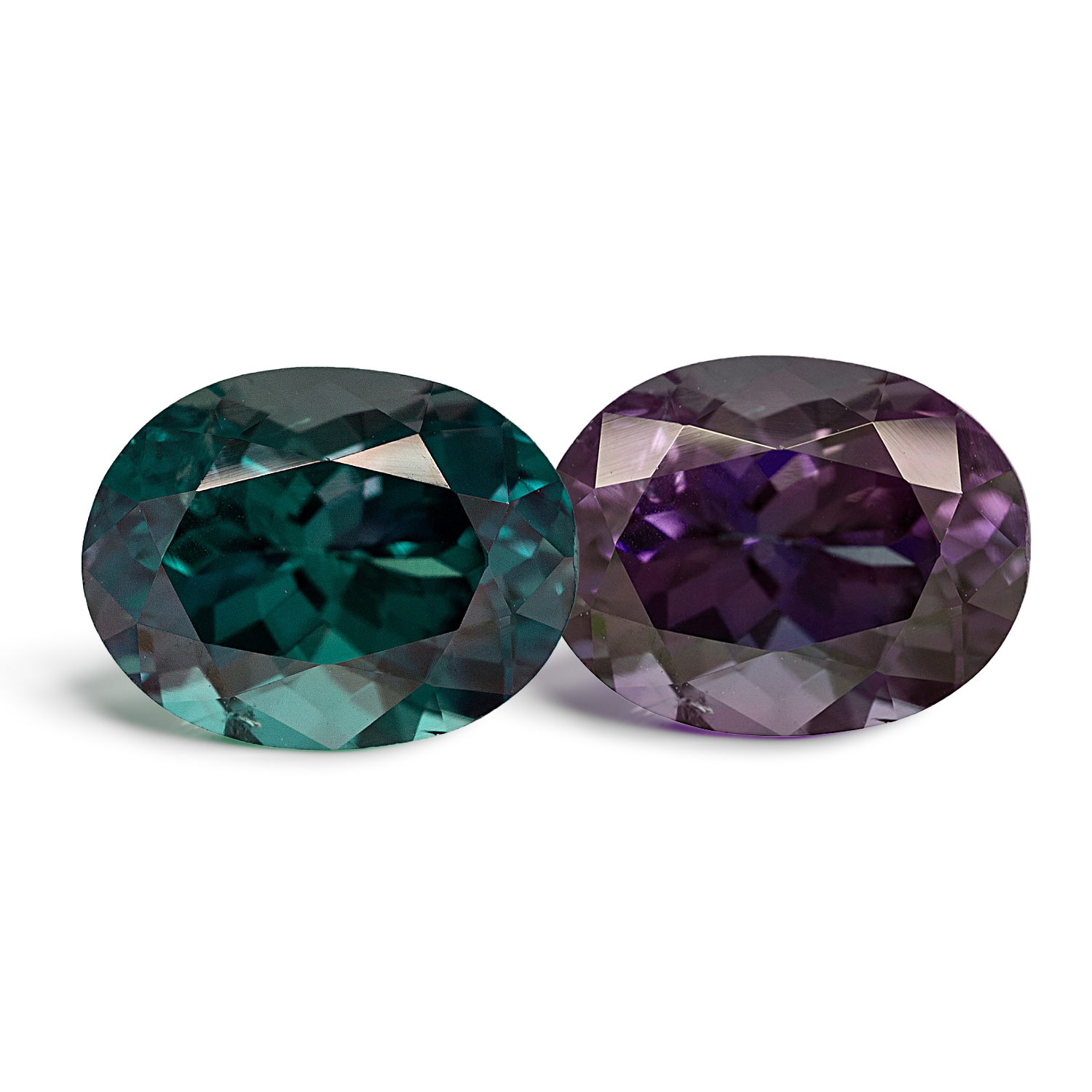
Color is usually the first thing that draws you to a gemstone — and for most stones, it's the single biggest factor in value. Gemologists look at three things: hue (the actual color, like blue or red), saturation (how vivid or muted it is), and tone (how light or dark). A vivid, evenly-saturated color is almost always more prized than a pale or overly dark one.
Hardness
Hardness measures how resistant a stone is to scratching, rated on the Mohs scale (1–10). Diamond sits at the top with a 10, sapphire and ruby at 9, while softer stones like opal (5.5–6.5) or pearl (2.5–4.5) need more careful handling and settings. Higher hardness generally means a stone holds its polish and edges better over years of wear.
Refractive Index (RI)
Refractive index measures how much light bends as it enters a gemstone — it's what gives a stone its sparkle and "fire." Each gem species has its own RI range, which is one of the key ways gemologists identify and distinguish similar-looking stones (for example, telling a sapphire from a less valuable look-alike). Generally, a higher RI means more brilliance.
Specific Gravity (SG)
Specific gravity compares a stone's weight to an equal volume of water, essentially telling you how dense it is. A diamond (SG ~3.52) feels noticeably heavier in the hand than a similarly-sized quartz (SG ~2.65). Like RI, specific gravity is a reliable fingerprint gemologists use to confirm what a stone actually is.
The Different Types Of Stone Cuts
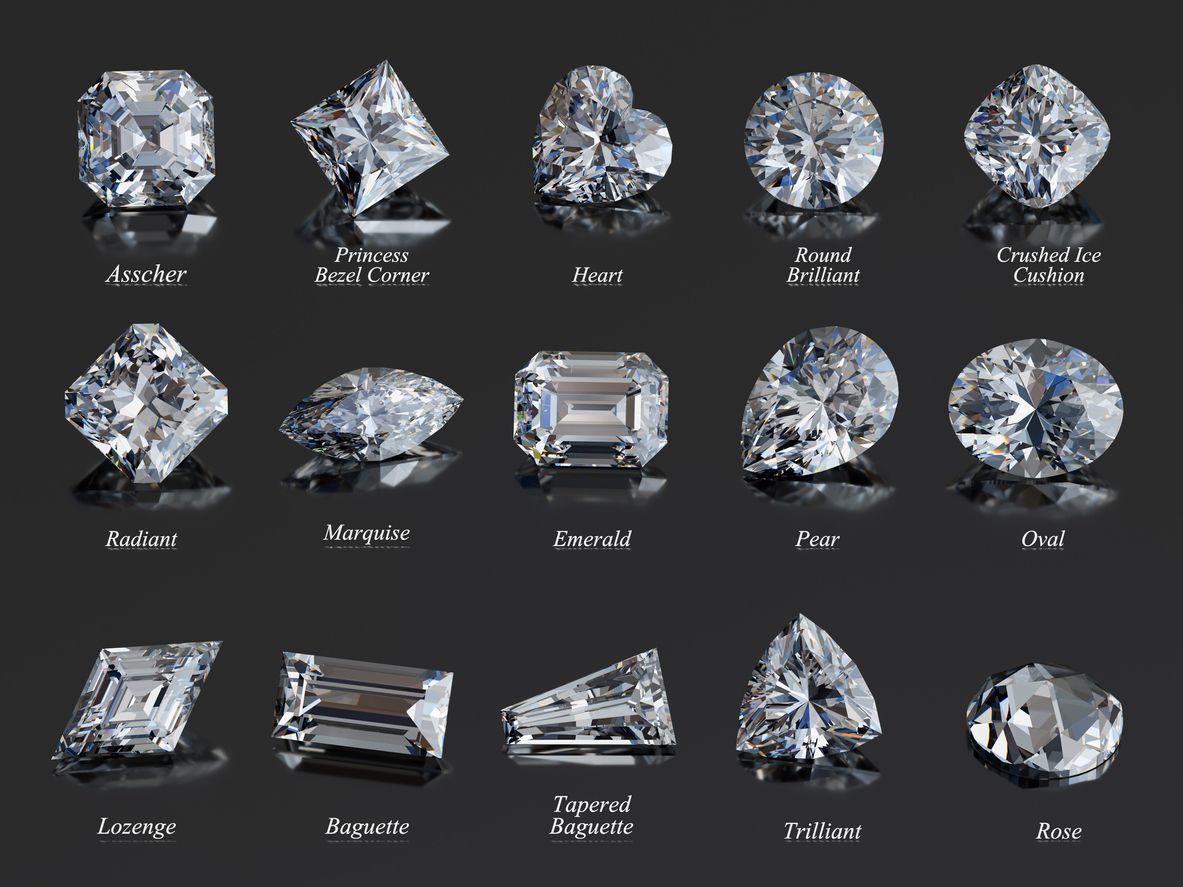
Gemstone cuts shape how a stone captures and releases light, and each style serves a different purpose. The brilliant cut (round, princess, cushion) uses triangular and kite-shaped facets to maximize sparkle and fire, making it the most popular choice for diamonds.
Step cuts, like the emerald and asscher cut, use long, rectangular facets arranged in parallel rows, producing a hall-of-mirrors effect that favors clarity and elegance over sparkle.
Mixed cuts, such as the radiant and oval, combine brilliant-style crown facets with step-cut pavilions to balance fire with a more modern silhouette. Cabochon cuts — smooth, domed, and unfaceted — are used for opaque or translucent stones like turquoise, opal, and moonstone, where the goal is to showcase color, luster, or optical effects like play-of-color rather than light refraction.
The choice of cut ultimately depends on the stone's clarity, color, and the optical phenomena the cutter wants to highlight.
Step cuts, like the emerald and asscher cut, use long, rectangular facets arranged in parallel rows, producing a hall-of-mirrors effect that favors clarity and elegance over sparkle.
Mixed cuts, such as the radiant and oval, combine brilliant-style crown facets with step-cut pavilions to balance fire with a more modern silhouette. Cabochon cuts — smooth, domed, and unfaceted — are used for opaque or translucent stones like turquoise, opal, and moonstone, where the goal is to showcase color, luster, or optical effects like play-of-color rather than light refraction.
The choice of cut ultimately depends on the stone's clarity, color, and the optical phenomena the cutter wants to highlight.
Gemstone Directory
Find out more about your favourite stones.