
Laboratory Diamonds
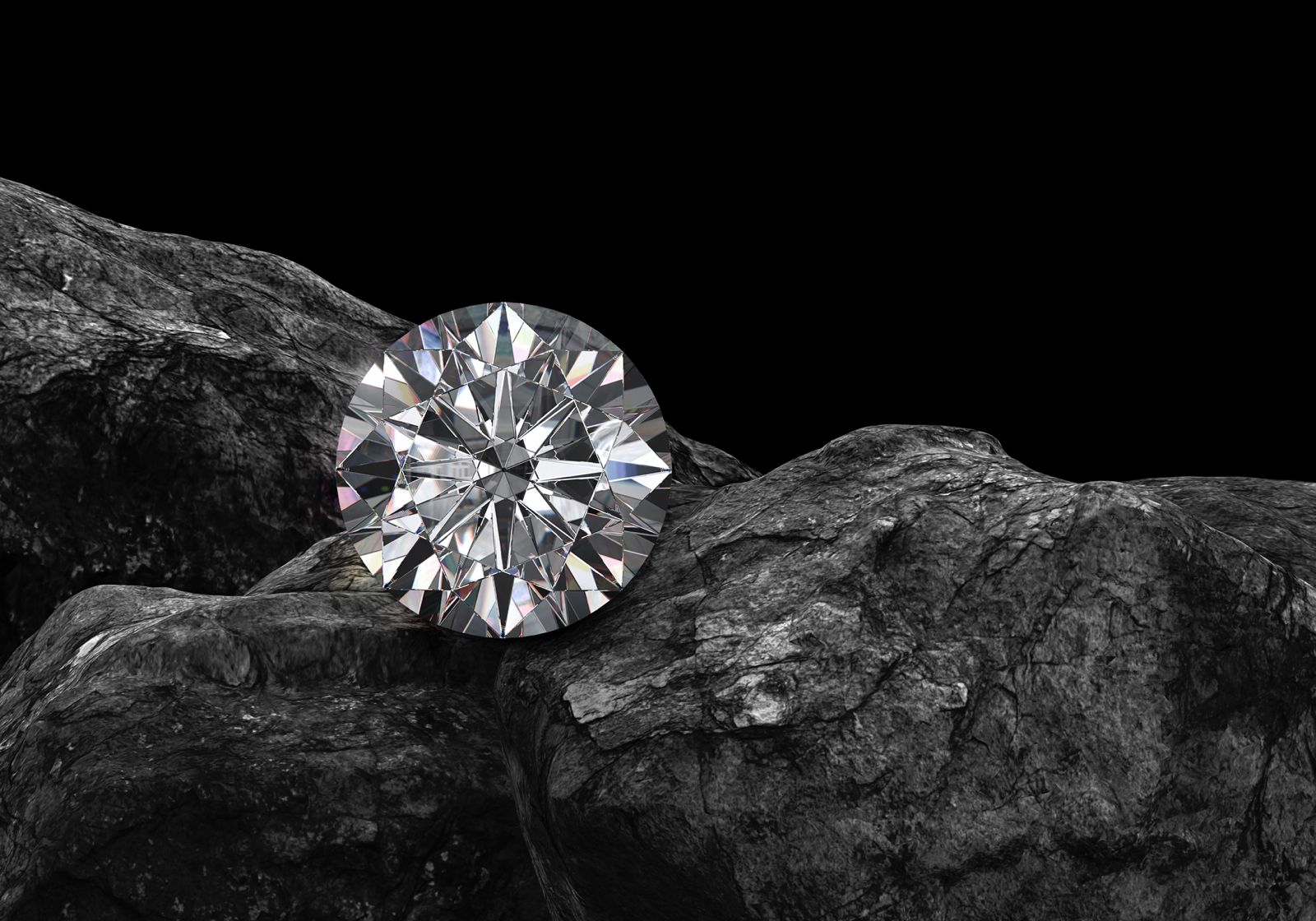
Lab-Grown Diamonds: Brilliance, Redefined
There is a quiet revolution happening in the world of fine jewellery — one measured not in carats alone, but in conscience, craftsmanship, and clarity of choice. Lab-grown diamonds carry the same fire, the same unyielding hardness, the same light-bending brilliance as their earth-mined ancestors. The only difference is their birthplace: not a billion years beneath the crust of the earth, but a controlled chamber where pressure and heat — or carbon-rich plasma — coax carbon into the same crystalline lattice that has captivated humanity for centuries.
At Gemgold, we believe a diamond's worth is written in its fire, not its origin story. For the modern collector, that means more stone, more design freedom, and more meaning per carat — without compromising the chemistry, the hardness, or the heirloom-grade beauty you're entitled to expect.
At Gemgold, we believe a diamond's worth is written in its fire, not its origin story. For the modern collector, that means more stone, more design freedom, and more meaning per carat — without compromising the chemistry, the hardness, or the heirloom-grade beauty you're entitled to expect.
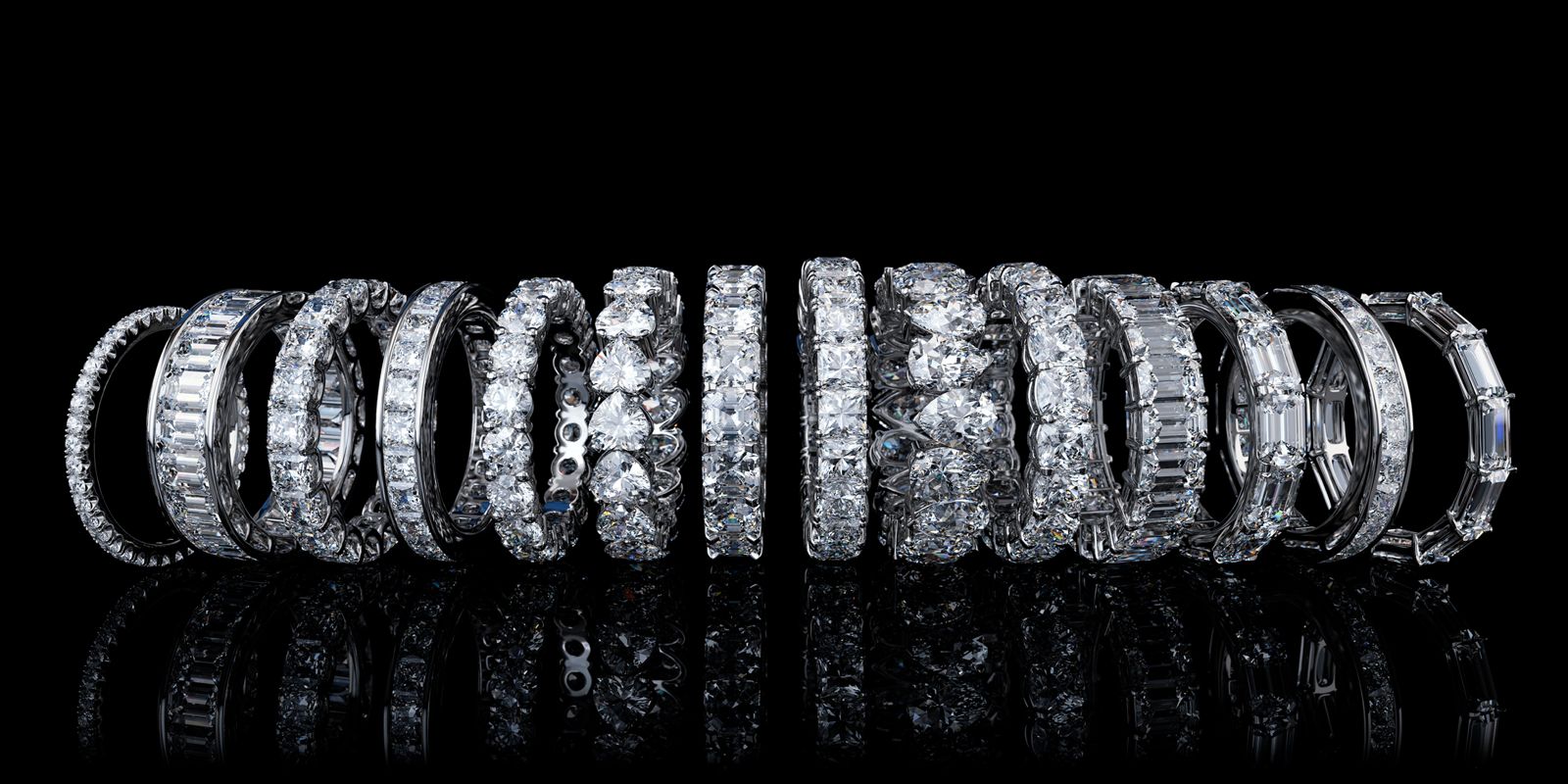
What Exactly Is a Lab-Grown Diamond?
A lab-grown diamond is, by every measure that matters — chemical composition, crystal structure, hardness, refractive brilliance — a genuine diamond.
It is grown using one of two methods:
HPHT (High Pressure, High Temperature) — replicates the immense pressure and heat of the earth's mantle to grow a diamond from a carbon seed.
CVD (Chemical Vapour Deposition) — builds a diamond layer by layer from carbon-rich gas, a slower and more precise process favoured for producing exceptionally pure, colourless stones.
Both the GIA and IGI grade lab-grown diamonds on the very same 4Cs scale — cut, colour, clarity, and carat — used for natural stones.
Only specialised laboratory equipment can tell the two apart; the human eye, even a trained one, cannot.
It is grown using one of two methods:
HPHT (High Pressure, High Temperature) — replicates the immense pressure and heat of the earth's mantle to grow a diamond from a carbon seed.
CVD (Chemical Vapour Deposition) — builds a diamond layer by layer from carbon-rich gas, a slower and more precise process favoured for producing exceptionally pure, colourless stones.
Both the GIA and IGI grade lab-grown diamonds on the very same 4Cs scale — cut, colour, clarity, and carat — used for natural stones.
Only specialised laboratory equipment can tell the two apart; the human eye, even a trained one, cannot.
The 4Cs: How Every Diamond Is Judged
Whether a diamond was formed over a billion years in the earth's mantle or grown in a matter of weeks in a controlled chamber, it is judged by the very same universal standard — the 4Cs. Understanding them is the difference between buying a number on a certificate and buying a stone you'll love for a lifetime.
cut
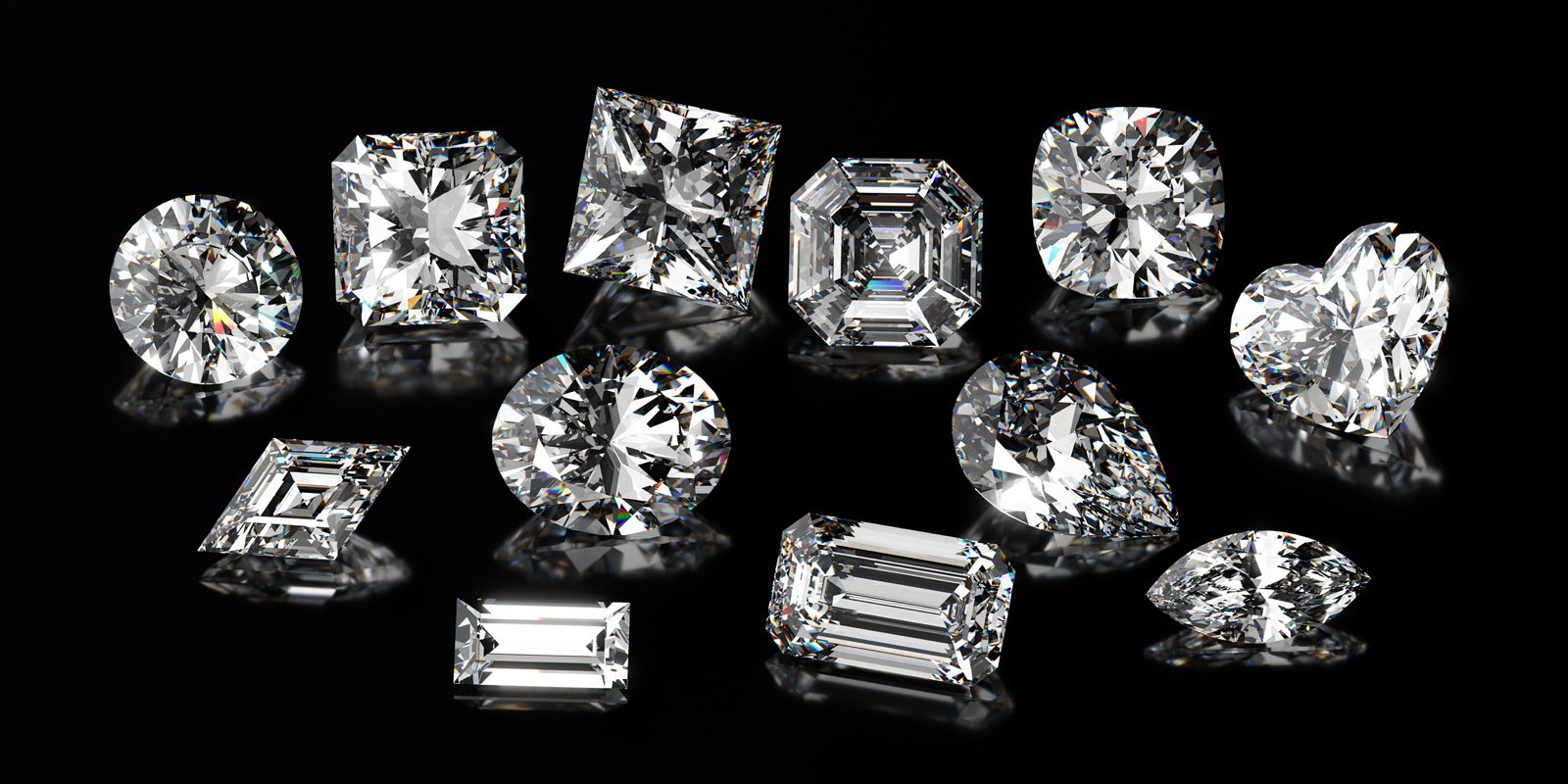
Cut is not the shape of a diamond — round, oval, emerald, and so on — but the quality of its proportions, symmetry, and facet angles. It is, by far, the most important of the 4Cs, because cut determines how brilliantly a diamond captures and returns light. A diamond cut with precision will blaze with fire and scintillation even at a lower colour or clarity grade; a poorly cut diamond can look lifeless even with a flawless certificate. Graded from Poor to Excellent, this is the one C we encourage every buyer to never compromise on.
Colour
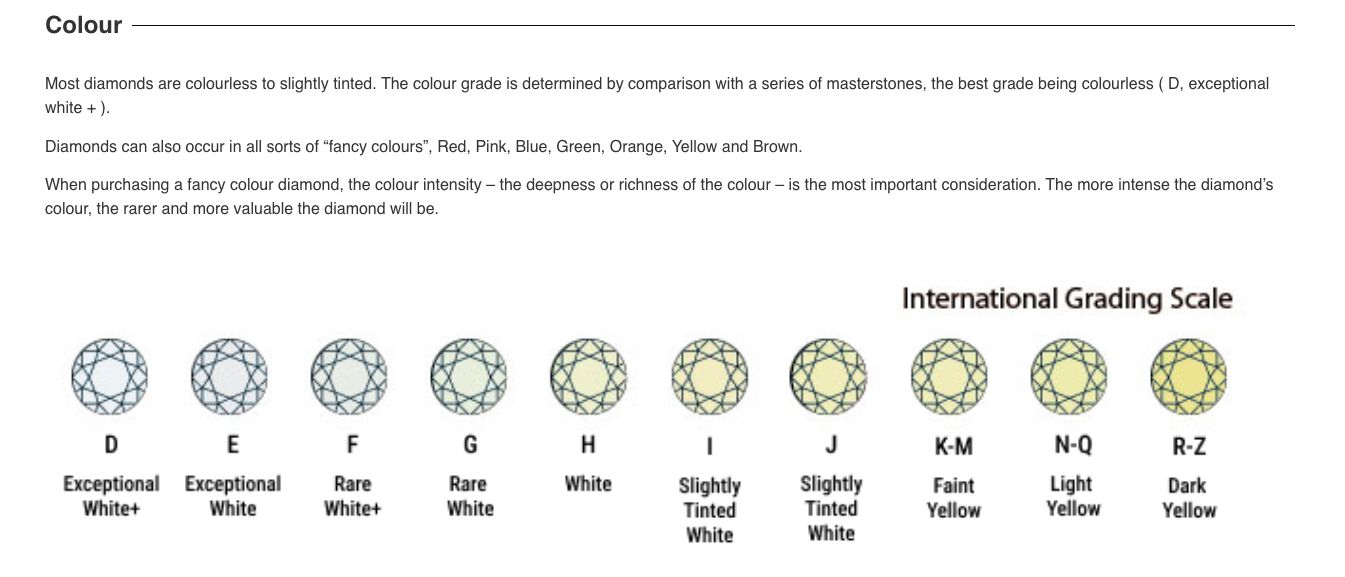
Diamond colour is graded on a scale from D (completely colourless) to Z (light yellow or brown). The closer to D, the rarer — and the more the diamond allows light to pass through and refract without any tint interfering with its brilliance. Most buyers find diamonds in the G–H range offer the best balance: colourless to the naked eye, at a meaningfully lower price point than a D or E stone.
Clarity
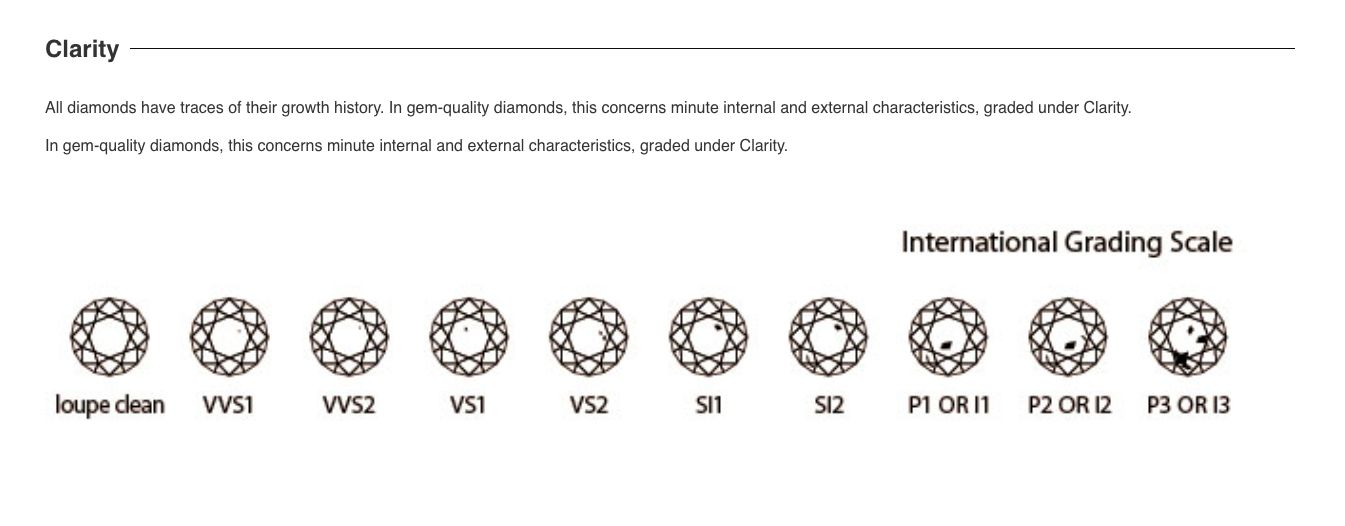
Clarity measures the presence of internal inclusions or external blemishes formed during the diamond's growth — natural or lab-grown alike. The scale runs from Flawless (FL), where no inclusions are visible even under 10x magnification, down through Internally Flawless, Very Very Slightly Included (VVS1/VVS2), Very Slightly Included (VS1/VS2), Slightly Included (SI1/SI2), to Included (I1–I3). Most inclusions at the VS and even SI grades are entirely invisible to the naked eye, making these grades the sweet spot for value-conscious buyers.
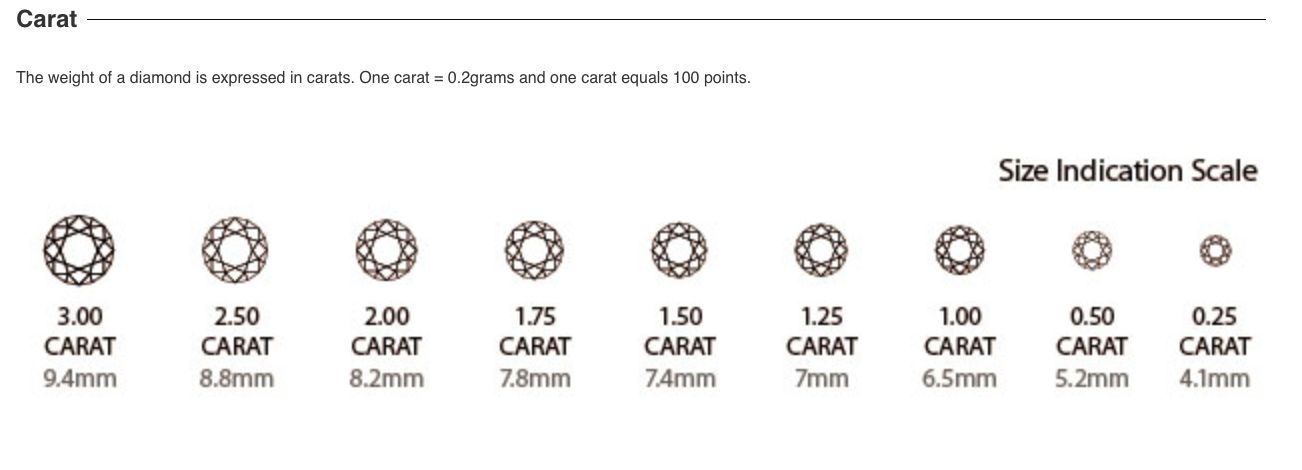
Carat
Carat is simply the diamond's weight — one carat equals 0.2 grams — and is the most misunderstood of the 4Cs. A heavier diamond is not necessarily a better one; cut, colour, and clarity all influence how large a diamond appears relative to its actual carat weight. Because larger rough diamonds are exponentially rarer in nature, natural diamond prices increase steeply with size. Lab-grown diamonds, by contrast, can be grown to larger carat weights far more affordably — which is precisely why so many of today's most dramatic centre stones are lab-grown.
The Honest Comparison:
Pros and Cons for the Modern Buyer
Price
Pros
Lab-grown diamonds typically cost 60–85% less than a natural diamond of equivalent size and quality.
This price advantage compounds with carat weight — the savings on a 2-carat stone can run into the tens of thousands, opening the door to bolder, larger centre stones at the same budget.
Greater spending power means more room for exceptional cut, better metal (platinum, 18k gold), or bespoke design work — the elements that often separate a beautiful piece from a forgettable one.
Cons
Because supply has scaled so rapidly, prices have fallen sharply over the past five years and have only recently begun to stabilise — meaning early buyers paid significantly more for the same stone a recent buyer might purchase today.
Resale value sits meaningfully lower than natural diamonds (commonly 10–40% of original retail, versus 20–60% for natural stones), so a lab-grown diamond is best chosen as a piece to wear and love — not as a store of long-term financial value.
Lab-grown diamonds typically cost 60–85% less than a natural diamond of equivalent size and quality.
This price advantage compounds with carat weight — the savings on a 2-carat stone can run into the tens of thousands, opening the door to bolder, larger centre stones at the same budget.
Greater spending power means more room for exceptional cut, better metal (platinum, 18k gold), or bespoke design work — the elements that often separate a beautiful piece from a forgettable one.
Cons
Because supply has scaled so rapidly, prices have fallen sharply over the past five years and have only recently begun to stabilise — meaning early buyers paid significantly more for the same stone a recent buyer might purchase today.
Resale value sits meaningfully lower than natural diamonds (commonly 10–40% of original retail, versus 20–60% for natural stones), so a lab-grown diamond is best chosen as a piece to wear and love — not as a store of long-term financial value.
Quality
Pros
Chemically and optically identical to natural diamonds — same hardness (10 on the Mohs scale), same fire, same scintillation under candlelight or daylight.
Highly controlled growing conditions often produce exceptional clarity and colour consistency, with CVD stones in particular known for producing some of the purest, most colourless diamonds on the market.
Conflict-free by design, with a meaningfully lighter environmental footprint than mined stones — an increasingly important consideration for today's buyer.
Cons
Quality still varies between producers and grading houses, exactly as it does with natural stones — "lab-grown" is not itself a guarantee of top quality, only of origin.
A small but vocal segment of traditional buyers still place a premium on geological rarity and provenance — for those collectors, no amount of optical perfection substitutes for a stone with billions of years of natural history behind it.
Chemically and optically identical to natural diamonds — same hardness (10 on the Mohs scale), same fire, same scintillation under candlelight or daylight.
Highly controlled growing conditions often produce exceptional clarity and colour consistency, with CVD stones in particular known for producing some of the purest, most colourless diamonds on the market.
Conflict-free by design, with a meaningfully lighter environmental footprint than mined stones — an increasingly important consideration for today's buyer.
Cons
Quality still varies between producers and grading houses, exactly as it does with natural stones — "lab-grown" is not itself a guarantee of top quality, only of origin.
A small but vocal segment of traditional buyers still place a premium on geological rarity and provenance — for those collectors, no amount of optical perfection substitutes for a stone with billions of years of natural history behind it.
Availability
Pros
Production has scaled dramatically, meaning larger carat weights, fancy shapes, and rare fancy colours (yellow, blue, pink) are far more accessible than they would be in a natural stone.
Turnaround from rough to finished, certified stone takes weeks rather than waiting on the unpredictable supply of mined rough — making custom and made-to-order pieces faster to fulfil.
Cons
Not every lab-grown stone is created equal — the market has seen a rise in uncertified or loosely-graded stones sold at suspiciously low prices, particularly online.
Buyers should always confirm an independent grading report (GIA or IGI) with a laser-inscribed, verifiable report number — never take a seller's word for "D colour, VVS clarity" without paperwork to back it up.
Production has scaled dramatically, meaning larger carat weights, fancy shapes, and rare fancy colours (yellow, blue, pink) are far more accessible than they would be in a natural stone.
Turnaround from rough to finished, certified stone takes weeks rather than waiting on the unpredictable supply of mined rough — making custom and made-to-order pieces faster to fulfil.
Cons
Not every lab-grown stone is created equal — the market has seen a rise in uncertified or loosely-graded stones sold at suspiciously low prices, particularly online.
Buyers should always confirm an independent grading report (GIA or IGI) with a laser-inscribed, verifiable report number — never take a seller's word for "D colour, VVS clarity" without paperwork to back it up.
The Gemgold Take
A diamond's brilliance has never been about where the carbon came from — it's about the moment it catches the light on someone's hand, at a candlelit table, in a velvet box opened with trembling fingers. Lab-grown diamonds let our clients tell bolder stories, choose larger and more daring stones, and invest the difference into the craftsmanship of the setting itself — where artistry, not geology, takes centre stage.